Cigarette Prices Australia in 2026: What Smokers Really Pay
Explore the latest trends in cigarette prices in Australia, including current costs and factors influencing the market. Read the article for insights.
- Blog
-
 Williams Hayes
Table of Contents
Australia has some of the highest cigarette prices in the world, and 2026 is no exception. If you smoke, you already feel the pinch every time you reach for one pack at the counter. This guide breaks down exactly what cigarettes and other tobacco products cost right now, why prices keep climbing, and where smokers can find better value without crossing the line into illegal territory.
Key Takeaways
Australia’s cigarette prices are shaped overwhelmingly by tobacco excise and GST, with taxes making up the vast majority of what you pay at the register. Here is what matters most heading into mid-2026:
- A standard 20-pack of factory-made cigarettes now costs between $38 and $65 depending on the brand, with legal cigarette prices in Australia averaging around $50 per pack for a standard 20-pack. Cigarette prices are expected to rise to $50 or more by 2026 across most mainstream and premium brands.
- High tobacco taxes have helped push smoking rates to record lows. Daily smoking rates in Australia have fallen from over 20% in 2001 to approximately 8.3% in 2022-23, and dropped further to around 5.6% among those aged 14 and over by 2025. However, high prices have also encouraged down-trading and some black market activity.
- Recommended retail prices are only a guide. Many smokers now look for cheaper outlets, promotions, or online tobacconists like Local Tobacconist Australia where they can compare retail prices across brands and pack sizes before buying.

How Much Do Cigarettes Cost in Australia in 2026?
In mid-2026, the average price of a 20-stick pack of cigarettes in Australia sits between $38 and $65. The average price of a pack of cigarettes in 2025 was $45, and prices have since risen further with the latest excise indexation. Cigarette prices are projected to reach $50 by 2026 for most mid-range and premium brands. As of September 2025, JPS 20 cigarettes cost approximately $42.99, and the price of a pack of JPS 20s increased by 4% from March to September 2025, a pattern that continues into 2026.
Here is how some leading brands compare at typical retail in mid-2026:
| Brand | Pack Size | Approx. Price (AUD) | Annual Cost (Pack-a-Day) |
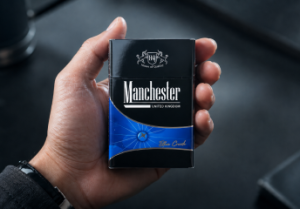
| Manchester (supervalue) | 20s | $38-$40 | ~$14,000 |
| JPS | 20s | ~$46.50 | ~$17,000 |
| Winfield (mainstream) | 20s | ~$50 | ~$18,250 |
| Marlboro (premium) | 20s | ~$55 | ~$20,075 |
| Benson & Hedges (premium) | 20s | ~$58-$65 | ~$21,000+ |
Retail prices vary slightly between states and territories and are also affected by freight, retailer margin, and local competition. A pack purchased at a Sydney supermarket will generally match the manufacturer’s recommended retail prices, while a store in regional Western Australia might charge a few dollars more due to freight. However, the same national tobacco excise and GST apply everywhere-there is no state-level excise difference.
Current Cigarette and Tobacco Prices by Product Type
Factory-made cigarettes (FMC) and roll-your-own (RYO) tobacco are taxed differently-FMC by the stick, loose tobacco by the kilogram-which creates distinct price structures for each product type.
FMC packs vs cartons: A carton of 200 sticks (ten 20-packs) typically costs $380 to $650 or more. For example, a Benson & Hedges 200-stick carton was sold at around $649.90 at major tobacconists. In many cases cartons are priced at roughly ten times the single-pack price, so the per-stick savings from buying in bulk are modest but can still matter over a year.
RYO pouches: Since 1 July 2025, RYO pouches must be 30 grams as standard. A 30 g pouch of a value brand like Champion costs about $95–$100, while premium loose tobacco can reach $106–$115 or more. Assuming 0.6 g of tobacco per roll, a $100 pouch yields about 50 stick equivalents-roughly $2.00 per stick, which can be cheaper than many premium FMC packs.
Despite potential per-stick savings, RYO requires rolling equipment, papers, and more preparation-a trade-off some smokers accept and others find inconvenient.
How Tobacco Excise and Taxes Shape Cigarette Prices
Tobacco excise taxes are the largest driver of cigarette prices in Australia. The federal tobacco excise tax is applied per cigarette rather than a percentage of the selling price, and the Australian government applies a 10% Goods and Services Tax on the final retail price of cigarettes on top of that. Together, these tobacco taxes account for roughly 70–80% of every pack’s cost.
In 2025, the tobacco excise was $1.528 per individual cigarette stick, significantly impacting retail prices. Excise rates are regularly indexed to keep pace with wage growth, adjusting twice a year (March and September) based on Average Weekly Ordinary Time Earnings. Australia has implemented annual tax increases on tobacco products as a public health measure, and cigarette excise taxes rose by 12.5% annually from 2013 to 2020, with a further 5% annual increase layered on from 2023.
Cigarette prices have increased significantly due to tax hikes over 30 years. As an example, in a typical $50 pack of 20 cigarettes, approximately $30–$35 is excise, around $4.50 is GST, and the remainder covers manufacturing, distribution, and retailer margin. The federal government collects hundreds of millions in federal revenue from tobacco taxation each financial year.
As economist Chris Richardson and others have noted, these taxation policies are designed primarily as tobacco control tools to reduce health costs, not simply to raise money. Online tobacconists like Local Tobacconist Australia are subject to exactly the same tax regime as physical retailers-no legal store in this country can sell cigarettes tax-free.
Recommended Retail Prices vs What Smokers Actually Pay
Manufacturers and wholesalers set recommended retail prices as reference points, but these are not legally binding on retailers. What you actually pay depends on where you shop.
Supermarkets tend to follow recommended retail prices closely. Petrol stations and convenience stores sometimes charge a premium for the sake of convenience. Specialist tobacconists may be more competitive, especially on cartons and niche brands, because they negotiate wholesale deals and focus exclusively on tobacco products.
In 2026, Australian law heavily restricts overt cigarette discount advertising in-store, so smokers cannot simply scan for promotional signs. Instead, many rely on asking staff for the cheapest brand available, checking price boards, or comparing listings online. An online retailer such as Local Tobacconist Australia provides transparent price lists showing current selling prices alongside the supplier’s recommended retail prices, so adult customers can spot their savings without guessing.
Do not assume that the recommended retail prices quoted in news reports or policy papers match what you will pay at the counter or online. If you are willing to switch brands or pack sizes, the gap between what manufacturers suggest and what you actually spend can be meaningful over a year.
Trends in Australian Cigarette Prices Over Time
Cigarette prices in Australia have risen far faster than general inflation over recent decades, driven primarily by repeated tobacco excise increases and stronger tobacco control policies.
Here is a rough timeline of what a typical 20-pack cost in nominal dollars:
- Early 1990s: $5-$10
- 2000: ~$10-$15
- 2010: ~$20-$25
- 2020: ~$30-$40
- 2026: ~$38-$65
Cigarette prices increased 4.5 times from 1990 to 2015. They increased 2.4 times from 2000 to 2010. Cigarette prices doubled in real terms between 2010 and 2020. The tobacco price index has doubled approximately every decade since the 1970s. From a brand perspective, Winfield cigarettes increased ninefold from 1980 to 2020, illustrating just how dramatically the cost has risen over decades.
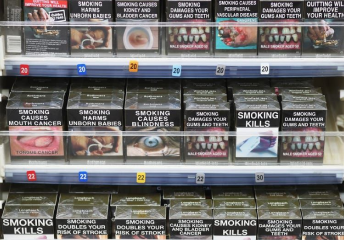
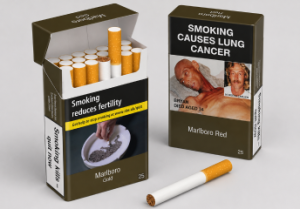
Cigarette prices in Australia have nearly tripled from 2016 due to government tobacco tax increases. The plain packaging laws introduced in 2012 aimed to reduce brand-driven competition in the tobacco market, and the standardisation of pack sizes in mid-2025 further limited how manufacturers could offer cheaper options.
The CPI sub-group for cigarettes and tobacco has consistently outpaced the overall CPI, with tobacco prices roughly doubling each decade while general inflation moved far more slowly. This long-term trend is the reason affordability is now a central issue for the millions of Australians who still smoke.

Impact of High Cigarette Prices on Smoking Rates
High cigarette prices, driven by tobacco taxes, are one of the most effective tools the federal government uses to reduce smoking rates in Australia. The evidence from the Australian Institute of Health and Welfare is clear: daily smoking among Australians aged 14 and over fell from around 25% in the early 1990s to approximately 8.3% in 2022-23, and dropped to about 5.6% by 2025.
Price increases particularly affect younger people and lower-income smokers, who are more sensitive to changes in the cost of cigarettes. Australian research on price elasticity of demand for tobacco shows that each large tax hike is followed by spikes in quit attempts and measurable declines in consumption.
Beyond price, the health case for quitting is sobering. Cigarette smoking is linked to 19 types of cancer. Smoking causes seven forms of cardiovascular disease. Cigarette smoke contains over 7,000 chemicals and toxins. Smoking leads to chronic obstructive pulmonary disease (COPD). Nicotine alters the brain’s chemical structure, causing addiction, while smoking damages lung cilia that help rid the lungs of debris and toxins, impairing breathing ability over time.
Not all smokers quit in response to higher prices. Many switch to cheaper brands, move from premium to supervalue segments, or change to roll-your-own to manage the cost. Policy-makers face a real tension between health goals and the financial stress placed on addicted smokers, especially those on low incomes, who spend a disproportionate share of their money on the habit.
Down-Trading, Alternatives, and the Black Market
As cigarette prices rise, many Australian smokers respond by down-trading-choosing cheaper legal products-or, in some cases, turning to illicit tobacco on the black market.
Common legal strategies in 2026 include:
- Switching from premium to supervalue brands
- Moving from factory-made cigarettes to roll-your-own
- Buying cartons instead of single packs
- Shopping at specialist tobacconists or online retailers for better deals
High legal prices have led to a significant growth in the illicit tobacco market. The illicit tobacco market has been estimated to account for up to one-third of all tobacco products consumed in Australia. In 2025, about one in three smokers reported using illicit tobacco recently, including unbranded loose tobacco (known as “chop-chop”) and counterfeit or illegally imported cigarettes. Easier access to low-taxed or illicit cigarettes can undermine tobacco control goals. The illicit trade is targeted by the Australian Border Force and ATO, but enforcement remains a challenge given the money involved.
Black market products avoid full tobacco excise, making them cheaper, but they carry significant legal risks for both sellers and buyers, along with quality and safety uncertainties. These products are illegal and purchasing them can result in penalties.
Reputable retailers like Local Tobacconist Australia only sell duty-paid, branded tobacco products that comply with Australian law. If a deal looks too cheap to be legal, it almost certainly is. From a policy perspective, the challenge is to keep legal prices high enough to discourage smoking while preventing the black market from becoming more attractive-a balance that remains one of the leading issues in tobacco control across the developed world.
Comparing Cigarette Prices: Supermarkets vs Tobacconists vs Online
Australians buy cigarettes from several channels: supermarkets like Coles and Woolworths, petrol stations, corner stores, brick-and-mortar tobacconists, and online tobacco retailers.
Supermarkets generally follow recommended retail prices with minimal discounting. Petrol stations and convenience stores sometimes charge slightly more due to convenience and limited competition. Specialist tobacconists may offer more competitive pricing, especially on cartons and a wider range of brands not always sold at supermarkets.
Online tobacconists like Local Tobacconist Australia operate without the overhead of a physical shopfront. They display full price lists so adult customers can compare brands, pack sizes, and per-stick cost before ordering. Convenience factors beyond price include ordering from home, discreet packaging, secure payments, and delivery in 3–5 business days to most Australian locations.
Because all legal retailers pay the same tobacco excise, the price differences between them are typically within a narrow range. But small differences in margins and shipping fees add up. For example, a pack-a-day smoker choosing a brand that is just $2 cheaper per pack saves over $730 a year-an expected saving that is well worth the comparison.
Financial Impact: What Smoking Costs You Over Time
Consider a pack-a-day smoker buying a $50 pack of 20 cigarettes in 2026:
- Weekly spend: $350
- Monthly spend: ~$1,520
- Annual spend: ~$18,250
That annual figure is comparable to a used car, an overseas holiday, or a meaningful chunk of a home deposit. For a lighter smoker at 10 cigarettes a day, the annual cost is still around $9,100. A heavier smoker at 40 a day could be looking at over $36,500 a year-a figure that has risen sharply in recent years.
The opportunity cost is substantial. Over five years, a pack-a-day smoker at current prices would spend more than $91,000 in today’s dollars-enough to make a significant dent in mortgage repayments, super contributions, or education savings.
Many quit-smoking campaigns and online calculators explicitly use cigarette prices and personal consumption data to show potential savings from cutting down or quitting altogether.
Even smokers who are not ready to quit sometimes reduce their financial burden by moving to cheaper legal brands or using online price comparison via retailers to find better value. Every dollar redirected from tobacco to savings is money that compounds over time.
Beyond the direct cost, health-related expenses from smoking-healthcare bills, lost income from illness, reduced welfare and body function-can exceed the retail price of tobacco products over a lifetime.

Local Tobacconist Australia's Role in a High-Price Market
Local Tobacconist Australia is a 2024-founded online tobacco retailer serving adult customers across all Australian states and territories, from New South Wales and South Wales to every other region. It operates within Australian laws and sells only genuine branded tobacco products purchased from leading suppliers.
The store helps smokers navigate high cigarette prices by offering clear, up-to-date listings of retail prices for a wide range of cigarettes and tobacco products, including major brands like Marlboro, Benson & Hedges, Manchester, and popular supervalue options. Customers can compare prices and pack sizes in the first place before committing to a purchase, rather than relying on what happens to be available at the nearest store.
Key value propositions include competitive pricing within the legal framework, secure online payment, discreet packaging, and typical delivery times of 3–5 business days.
While Local Tobacconist Australia cannot change tobacco excise or offer tax-free cigarettes, it can help smokers minimise unnecessary extra margins by choosing cost-effective legal products and purchase formats such as cartons versus single packs.
All products are intended only for adults. Customers should check age-verification requirements and local regulations before ordering, and products must be kept out of reach of minors.
FAQs About Cigarette Prices in Australia
Below are answers to common questions readers ask after learning about Australian cigarette prices and what drives them.
Why are cigarette prices in Australia so much higher than in other countries?
Australia has deliberately imposed very high tobacco excise and GST as part of its tobacco control strategy. Combined with plain packaging laws and comprehensive advertising bans, these policies make local retail prices among the highest in the developed world. Countries like the UK have high tobacco taxes as well, but Australia’s combination of per-stick excise, regular indexation, and additional annual increases has pushed prices well beyond most comparable nations.
These policies are intended to reduce smoking rates and long-term health costs, not to punish smokers. The point is to make the financial cost of smoking high enough that it encourages people to quit or never start in the first place.
Do cigarette prices differ between Australian states?
The federal government sets tobacco excise and GST nationally, so baseline cigarette prices are similar in every state and territory. However, retailer margins, freight costs, and local competition can cause small differences. A pack purchased at a city supermarket in Sydney is typically close to the recommended retail price, while a store in a remote regional area may add a few dollars to cover higher distribution costs. Online retailers ship nationally at consistent pricing plus shipping, which can level the playing field for buyers outside major cities.
Can I legally buy cheaper cigarettes online in Australia?
Australian residents can legally buy cigarettes online only from retailers that comply with local laws, charge full Australian tobacco excise and GST, verify age, and ship from within the country. Overseas websites offering very cheap “duty-free” or untaxed cigarettes to Australian addresses are generally illegal, and goods may be seized by Border Force with possible penalties for the buyer.
Local Tobacconist Australia is an example of a compliant domestic online retailer focused on genuine, duty-paid products. If a price looks too good to be true, it almost certainly involves illicit or illegal stock, which carries real legal and health risks.
Are roll-your-own cigarettes actually cheaper than factory-made?
In 2026, RYO tobacco often works out slightly cheaper per stick than many factory-made brands, especially when purchased in 30 g pouches. For example, a $100 pouch of RYO yielding about 50 stick equivalents (at 0.6 g each) costs roughly $2.00 per stick-compared to $2.30 or more per stick for a mainstream 20-pack at $46. However, the gap has narrowed as excise on loose tobacco increased through the equivalisation weight adjustment, and actual savings depend on how tightly someone rolls and the taste they prefer.
How often do cigarette prices go up in Australia?
Tobacco excise in Australia is indexed twice a year, typically in March and September, which results in at least two price rises annually. On top of this, manufacturers and retailers may adjust their own margins, and any new policy changes-such as additional fixed annual increases-can push prices up further in any given date during the year.
Smokers should expect noticeable increases at least a couple of times each year and factor this into budgeting. For those considering quitting, the trend line over recent decades has moved in only one direction: up. The habit only gets more expensive with time, and the money and health savings from quitting are real and measurable.

I am an industry researcher and the lead writer for Local Tobacconist AU, specializing in Australian retail tobacco trends, compliance, and product heritage. With years of hands-on experience navigating the complex retail landscape, I delivers authoritative, deeply researched guides to help consumers and retailers make informed choices in a rapidly changing market.

Local Tobacconist
Keep Up to Date with the Most Important News
Top New