Cost of Cigarettes in Australia (2025–2026 Guide): Prices by Brand, Taxes & Future Trends
Explore the fluctuating costs of cigarettes in Australia, analyze trends, and gain insights into their impact on smokers. Read the article for more.
- Blog
-
 Williams Hayes
Table of Contents
If you smoke in Australia, you already know the sting every time you tap your card at the register. But exactly how much are you spending, and where is it all heading? This guide breaks down the cost of cigarettes in Australia across brands, pack sizes, and segments, explains why prices are so high, and looks at what to expect through 2026.
Key Takeaways
- As of 2025, a pack of cigarettes costs $45 on average, with the average cost of a legal pack of cigarettes in Australia ranging from A$40 to A$55 depending on brand and segment. Cigarette prices are expected to reach $50 by 2026 as tobacco tax increases continue.
- Australia has some of the highest legal cigarette prices in the world, driven by heavy tobacco excise, customs duties, and a 10% GST. Taxes account for approximately three-quarters of the price of a legal pack of cigarettes.
- A pack-a-day smoker spending roughly $43 per day faces an annual bill of around $15,700 at 2025 prices, significantly more if smoking premium brands like Benson & Hedges or Dunhill.
- High cigarette prices are intended to reduce smoking rates, especially among young people, and the evidence shows it works: daily smoking among Australians aged 14+ has dropped from 8.3% in 2022-23 to 5.6% in 2025.
- Rising prices have also encouraged some smokers to trade down to cheaper brands, roll-your-own tobacco, or the black market.
Quick Answer: Cost of Cigarettes in Australia
As of 2025, the average cost of a legal pack of cigarettes in Australia is approximately A$45, with prices typically ranging from A$40 to over A$60, depending on the brand and retailer. Australia has some of the highest cigarette prices in the world because tobacco excise and GST account for roughly 60-75% of the retail price. If current excise indexation continues, the average pack is expected to cost around A$50 by 2026.
How Much Do Cigarettes Cost in Australia Right Now?
A 20-pack of cigarettes is around $40 in 2025, though the exact cost depends heavily on which brand and segment you choose. At the cheaper end, a supervalue brand like JPS will set you back about $42.99 for a 20-pack. Step up to a mainstream brand like Winfield and you are looking at closer to $55. Premium options from Benson & Hedges or Dunhill push past $60 per pack. Cigarette prices rose due to significant tax hikes, and these costs are expected to rise again in 2026.
Roll-your-own tobacco offers a modest saving. A 30-gram pouch of Champion cost roughly $99.99 in September 2025, yielding about 50 sticks at 0.6 gram per stick, which works out to approximately $2.00 per stick compared with $2.15 for JPS factory-made cigarettes.
Here is what common smoking patterns cost at 2025 retail prices using a mid-range pack at around $43:
| Smoking Pattern (Daily Consumption) | Estimated Weekly Cost | Estimated Monthly Cost | Estimated Annual Cost |
| 10 cigarettes per day (half a pack) | ~$150 | ~$650 | ~$7,860 |
| 20 cigarettes per day (one pack) | ~$301 | ~$1,320 | ~$15,700 |
| 25 cigarettes per day | ~$375 | ~$1,640 | ~$19,600 |

Current Cigarette Prices by Brand, Pack Size and Segment
Australia’s tobacco products market splits into four price segments: supervalue, value, mainstream, and premium. From 1 July 2025, all factory-made packs must contain exactly 20 cigarettes, which removed the old tactic of buying larger packs at a lower per-stick price.
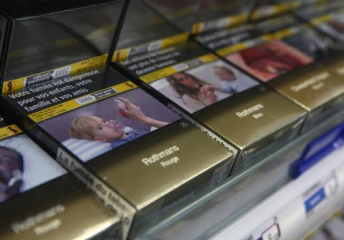
Supervalue brands like JPS, Rothmans, and Bond Street average around $39-$41 per 20-pack, roughly $1.98 per stick. Value brands sit slightly higher at about $40.66 per pack. Mainstream options such as Winfield and Peter Jackson averaged $54.99 in September 2025, or around $2.75 per stick. Premium brands including Benson & Hedges and Dunhill sit at the top, with the average premium 20-pack at approximately $60.72, pushing past $3.04 per stick.
The cheapest legal pack is roughly half the price of the most expensive. That per-stick difference compounds quickly: a supervalue smoker going through a pack a day spends around $280 per week, while a premium smoker spends over $425.
Retailers like Coles and other supermarkets generally sell closer to recommended retail prices for lower-cost brands, while specialist tobacconists and convenience stores in areas like Sydney or regional New South Wales may charge slightly more, particularly on premium lines. Manufacturers and wholesalers set recommended retail prices, but what you actually pay in store can differ depending on the retailer and location.
Factory-Made vs Roll-Your-Own Tobacco: Which Is Cheaper?
In a direct comparison, roll-your-own tobacco still comes out slightly ahead on a per-stick basis. A supervalue RYO 30-gram pouch averages around $90.53, yielding roughly 50 sticks at 0.6 gram each, which means about $1.81 per stick. That is cheaper than even the lowest-cost factory-made cigarettes at $1.98 per stick.
RYO pouch prices by segment in September 2025:
- Supervalue RYO: ~$90-$95 per 30g pouch (~$1.81/stick)
- Value/Mainstream RYO: ~$94-$103 per 30g pouch
- Premium RYO: ~$115+ per 30g pouch (~$2.31/stick)
From 1 July 2025, all RYO pouches are standardised at 30 grams, which ended the old practice of buying smaller pouches that sometimes offered better value per gram.
For a 20-stick-per-day smoker, the weekly cost difference looks like this: factory-made supervalue at ~$280 per week versus RYO supervalue at ~$253 per week, a saving of about $27 weekly or around $1,400 annually. That gap has narrowed in recent years as tobacco excise reforms and equivalisation weight adjustments have progressively increased taxes on loose tobacco.
Why Are Cigarettes So Expensive in Australia? (Tobacco Taxes Explained)
Government taxation is the dominant factor determining the price of legal cigarettes in Australia, far outweighing production, distribution, or retailer margins. Tobacco excise and GST make up most of the retail price of cigarettes in Australia.
Here is how the system works. Tobacco excise is charged per cigarette rather than as a percentage of the product’s value. For RYO, excise applies per kilogram. Excise duties are indexed twice a year in Australia based on average weekly ordinary time earnings, ensuring rates rise automatically. On top of excise, a 10% Goods and Services Tax is applied to the final retail price of cigarettes, calculated on the combined pre-tax price plus excise.
Tobacco taxes have significantly increased since the 1990s through a series of landmark reforms. The Australian government imposes heavy tobacco taxes to deter smoking, starting with mid-1990s federal and state hikes, the shift to per-stick taxation in 1999–2000, a 25% excise jump in April 2010, and then annual tax increases of 12.5% that were implemented from 2013 to 2020. The policy goals behind these increases include reducing smoking prevalence, discouraging youth uptake, and raising revenue for health spending in the country.
Critics point to the regressivity of tobacco taxes and the cost of living burden on low-income smokers, but the evidence from public health research shows price increases have a strong effect on reducing tobacco consumption.
Price Trends Over Time: From Cheap Packs to World-Leading Prices
The trend in Australian cigarette prices over the decades is dramatic. Cigarette prices increased almost 160-fold from 1940 to 2015, though inflation-adjusted prices stayed relatively stable until the early 1990s. After that, the spike in real prices was relentless.
Dramatic Cigarette Price Trends (Multiple Metric Indices)
Data source: Specific Time Slices Analysis
Multi-Metric Indexed Price Comparison
No Data Found
Relative Price Factor(Start Year = 1)
No Data Found
Looking at specific time slices: from 1990 to 2000, Craven A 20s prices nearly doubled. Cigarette prices were 2.3 times higher in 1980 compared to 1973. Cigarette prices increased by 2.4 times from 2000 to 2010. Winfield prices increased ninefold from 1980 to 2020. Legal tobacco prices in Australia have nearly tripled since 2016 due to excise increases.
The market responded to each wave of taxation with creative strategies. After the 2010 hike, supervalue brands like JPS were introduced to capture price-sensitive smokers. Manufacturers experimented with unconventional pack sizes (21s, 22s, 23s, 26s) and shrinking RYO pouches designed to keep shelf prices psychologically attractive. Most of these tactics were rendered obsolete by the 2025 pack size standardisation, which was introduced to close these loopholes.
What Smokers Actually Pay vs Recommended Retail Prices
There is an important distinction between recommended retail prices published by manufacturers and wholesalers and the real-world retail prices consumers pay. Research tracked by Tobacco in Australia shows that average reported prices paid for factory-made cigarettes from 2002-2022 were roughly 8% lower than recommended retail prices on average.
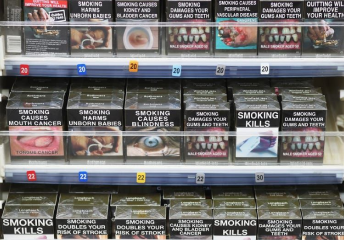
Common cost-saving behaviours among smokers include down-shifting from premium to supervalue brands, switching from factory-made to RYO, buying in volume before price increases, and seeking duty-free or overseas purchases where legal limits allow access. However, deep price discounting is more restricted in Australia than in many other countries thanks to plain packaging and strict advertising rules. Retailers cannot taste-test or promote the taste of different brands to customers.
For understanding tax policy and long-term trends, recommended retail prices remain the best point of reference. For estimating what smokers actually spend, consumer-reported prices are more accurate and tend to sit slightly lower.
Hidden Costs: Health, Financial Burden and Cost of Living
The cost of smoking goes well beyond the retail price. A pack-a-day smoker in 2025 spends over $15,700 per year. Over five years, that is approximately $78,500. Over a decade, you are looking at $157,000 before adjusting for inflation, enough for a home deposit in many parts of the country or a substantial superannuation top-up.
Smoking damages your body and your finances simultaneously. Leading health harms include lung cancer, cardiovascular disease, and COPD, all of which affect earning capacity, increase insurance premiums, and generate medical expenses that dwarf the retail price of tobacco products.
The broader economic impact runs into millions. Reduced productivity, increased public hospital and pharmaceutical spending, and welfare costs all motivate governments to maintain high tobacco taxes. The Australian Institute of Health and Welfare reports that daily smoking rates have fallen in line with these price-driven tobacco control measures, but the financial burden on those who continue to smoke grows heavier each year.
Quit-smoking savings calculators are freely available online and can show personalised estimates of money saved over time.
Black Market and Illicit Tobacco: Does It Really Save Money?
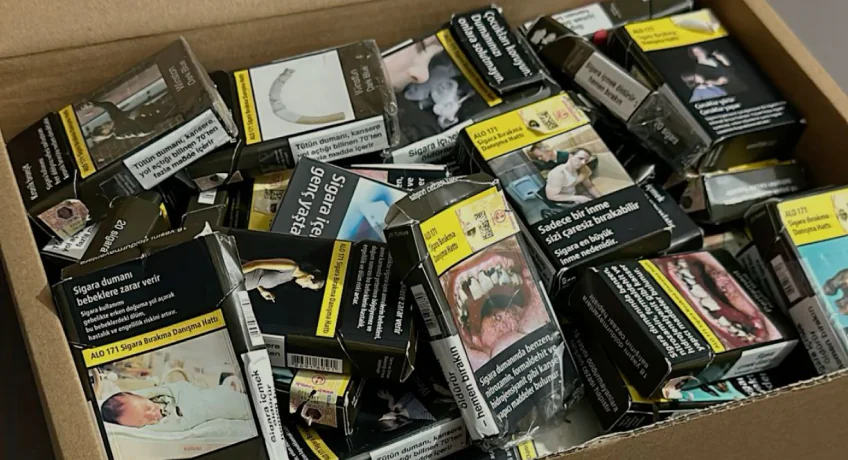
The black market for tobacco is growing due to high retail prices. Illicit tobacco in Australia includes unbranded loose leaf tobacco known as “chop-chop,” counterfeit cigarettes, and smuggled branded products sold outside legal channels. The black market sells illegal packs for A$10 to A$15, a fraction of legal prices.
But the apparent savings come with real risks. Illicit trade products are unregulated: contents are unknown, contamination with mould or additives is common, and there is no quality oversight. Legal risks are also significant, including fines and criminal charges for trafficking or possession in commercial quantities.
About 34% of current smokers reported recent use of illicit tobacco in 2025 surveys. While the volume of illicit trade has grown, it remains a minority share of total consumption and is actively targeted by customs, border force, and state police operations across every territory. The news regularly covers major seizures and enforcement crackdowns.
For smokers under financial pressure, the temptation is understandable, but the health and legal risks undermine any savings.
Alternatives and Ways to Spend Less on Nicotine
If the cost of cigarettes is becoming challenging, several options exist to reduce what you spend on nicotine each week.
Switching from factory-made to RYO still yields modest savings, around $27 per week for a pack-a-day equivalent, though the gap has narrowed as excise reforms hit RYO harder. Choosing supervalue brands over premium ones saves considerably more per stick.
Lower-concentration therapeutic vapes (≤20 mg/mL nicotine) supplied via pharmacies under current Australian regulations are not subject to standard tobacco excise and can cost significantly less. As an example, a pack-a-day smoker spending close to $300 per week on cigarettes in 2025 might spend under $90 per week on an equivalent therapeutic vaping regimen, a potential saving of 60–70% annually. Regulations differ between states, with prescription rules varying in WA and TAS.
Nicotine replacement therapies, including patches, gum, lozenges, and sprays, offer another pathway to reduce spending. While there is an upfront cost, it is a fraction of ongoing tobacco spending.
The most effective way to rid yourself of escalating costs in the first place is to quit entirely. Speak with a GP, pharmacist, or Quitline about approved cessation programs and structured quit support. The habit may be hard to break, but the financial case has never been stronger.
Future Outlook: Will Cigarette Prices Keep Rising?
Every indicator points to continued price rises. Automatic excise indexation tied to average earnings, plus any additional legislated increases, virtually guarantee that retail prices for cigarettes will keep climbing. Cigarette prices are expected to rise to $50 by 2026, with mainstream and premium packs likely exceeding that threshold.
The government has signalled that price will remain a core tool in tobacco control, with targets to reduce daily smoking below 5% of adults by 2030. If smoking rates stall, renewed above-inflation excise increases are a likely response. Fiscal pressures from health spending and budget repair provide additional motivation to maintain or increase tobacco taxation.
For smokers on low incomes, a pack that cost $45 in 2025 moving towards $50 and beyond makes the habit increasingly unaffordable. There is no current policy indication that excise or retail prices will decrease. The rise is locked in.
Given these long-term trends, the only reliable way to avoid escalating cigarette costs is to quit smoking or significantly reduce consumption, supported by professional help where needed. Every year you delay, the money spent on this habit climbs higher.
FAQ: Cost of Cigarettes in Australia
Are cigarette prices the same across all Australian states and territories?
Tobacco excise is set federally, so the tax component is consistent whether you are buying in Sydney, New South Wales, or a remote town in the Northern Territory. However, final retail prices can vary due to freight costs, retailer margins, and local competition. A pack in a remote area store may cost noticeably more than the same pack at a metropolitan supermarket or Coles outlet.
How much of the cigarette price is actually tax?
At 2025 prices, well over half of the retail price is tax. For many brands, tobacco excise, customs duties on imported products, and GST combined make up 60–70% or more of the final price. For supervalue brands, the tax share can be even higher relative to the pre-tax product cost.
Do duty-free or overseas cigarettes really work out cheaper for Australians?
Australia imposes strict personal import limits on tobacco products for travellers. Exceeding allowances triggers hefty duty and penalties that can wipe out any savings. Factoring in the cost of a holiday and travel, the net benefit is rarely worth the risk for most people.
Why are roll-your-own pouches sometimes more expensive than packs, even if they're meant to be cheaper?
While RYO is generally cheaper per stick, premium RYO brands can carry absolute prices above $110 per 30-gram pouch. They are subject to the same per-gram excise, adjusted through equivalisation weight rules, which narrows the price advantage. The upfront cost of a pouch can also feel higher even when the per-stick cost is lower.
Is there any sign that cigarette prices in Australia will go down?
No. Historical and announced policy directions all point towards steady or rising prices. Excise indexation is automatic, and both major political parties have supported using price as a tobacco control lever for decades. There is no legislation or credible proposal to reduce tobacco excise or recommended retail prices. The only way to reduce what you spend is to smoke less, switch to approved alternatives, or quit entirely.

I am an industry researcher and the lead writer for Local Tobacconist AU, specializing in Australian retail tobacco trends, compliance, and product heritage. With years of hands-on experience navigating the complex retail landscape, I delivers authoritative, deeply researched guides to help consumers and retailers make informed choices in a rapidly changing market.

Local Tobacconist
Keep Up to Date with the Most Important News
Top New